What the institution receives
An agreed selection of Lux Blox kits and teaching modules, plus a defined amount of planning, orientation and support from Michael Acerra.
Explore how form, force, material and environment work together—and how a small amount of structure can create remarkable capability. Structure Smart University connects physical modeling with advanced study and invites colleges and universities to collaborate on pilot investigations.
Architecture · Materials science · Biology · Design
Our mission · Mathematics made tangible
Structure Smart University explores the principles that let systems achieve more with limited material, energy, cost or effort. Our approach brings structures from human invention, engineering, mathematics and living systems into physical models that make relationships visible and testable.
The aim is to develop the judgment to recognize constraints, discover useful relationships and anticipate a structure before it exists.
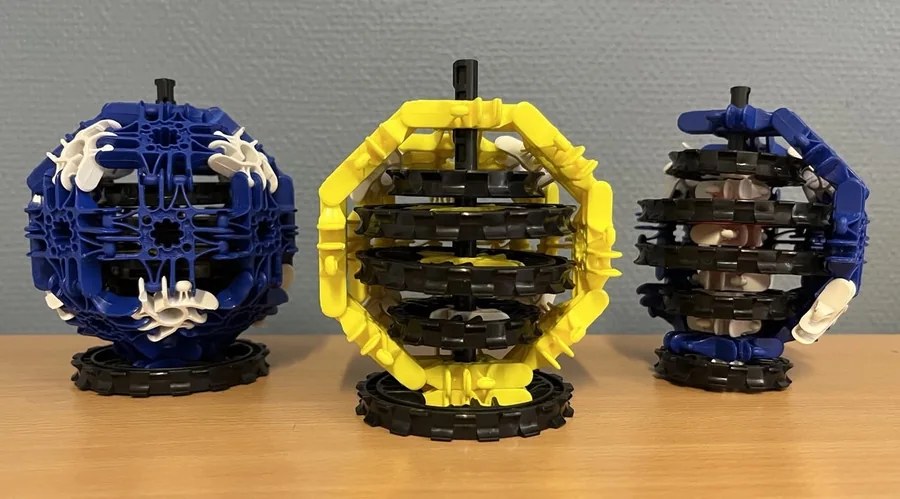
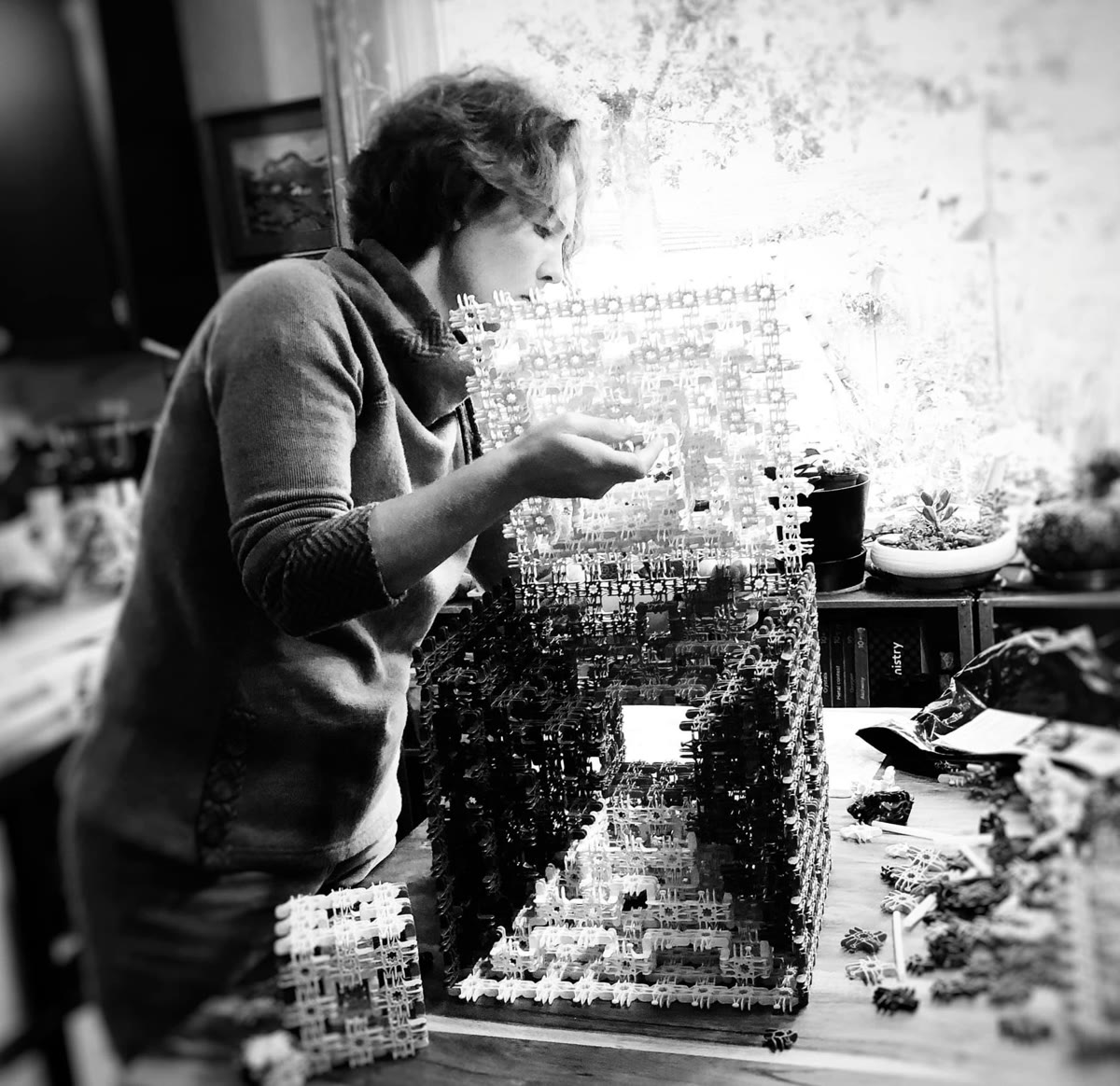
A fractal model gives self-similarity a physical form to explore. Find a repeating unit, compare the openings and ask how a local arrangement contributes to the larger structure.
Explore mathematics you can build →Featured story · Origins & discovery
In the Maine woods, Michael Acerra began asking how things are put together. Following that question led to Lux Blox—and continues today in chemical modeling research at Bradley University.
Discover how studying connections can change our understanding of the things themselves.
Read the origins story →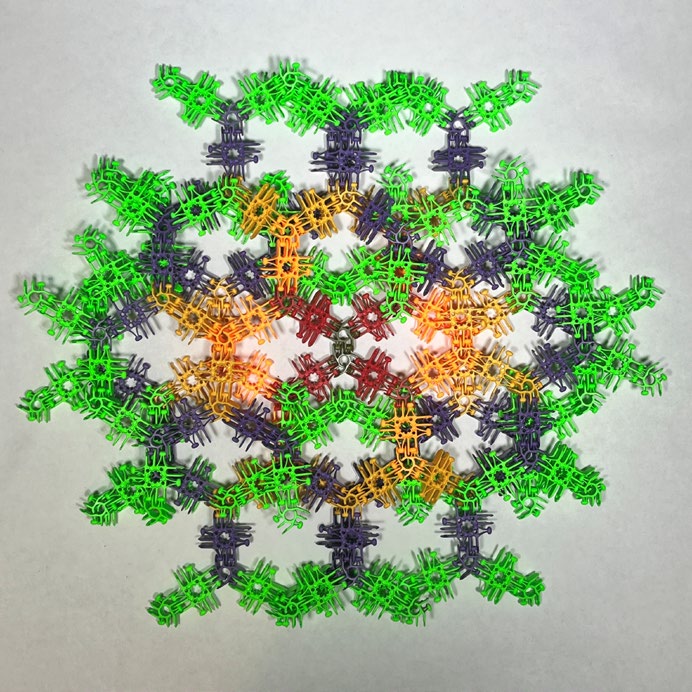
The central inquiry
“Doing more with less” can mean less material for a given strength, more function from a repeated part, lower cost for greater capability, or a better outcome by working with the environment.
What can this system get from its shape, its connections, its materials and its environment?
Structure in motion
Follow a joint, compare two configurations and ask what the connections permit. These digital studies give a question a visible starting point; physical models let us investigate it further.
Michael Acerra’s studio · Art & structure
Drawing, physical modeling and design offer different ways to pursue the same question: how do connections give rise to form? These works by Lux Blox co-founder Michael Acerra bring natural patterns and architectural imagination into that inquiry.
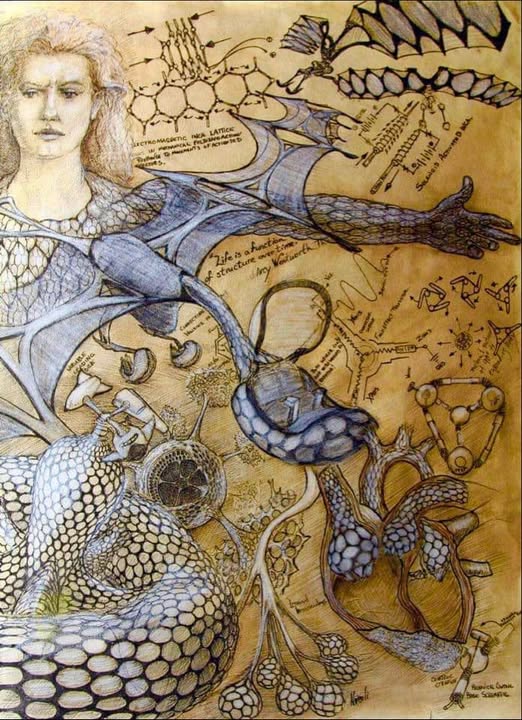
Trace a branch, a joint or a repeating cell. What relationships can you carry into a model of your own?
East St. Louis, Illinois · An unbuilt concept, 1991–92
Michael Acerra’s account · Design & possibility
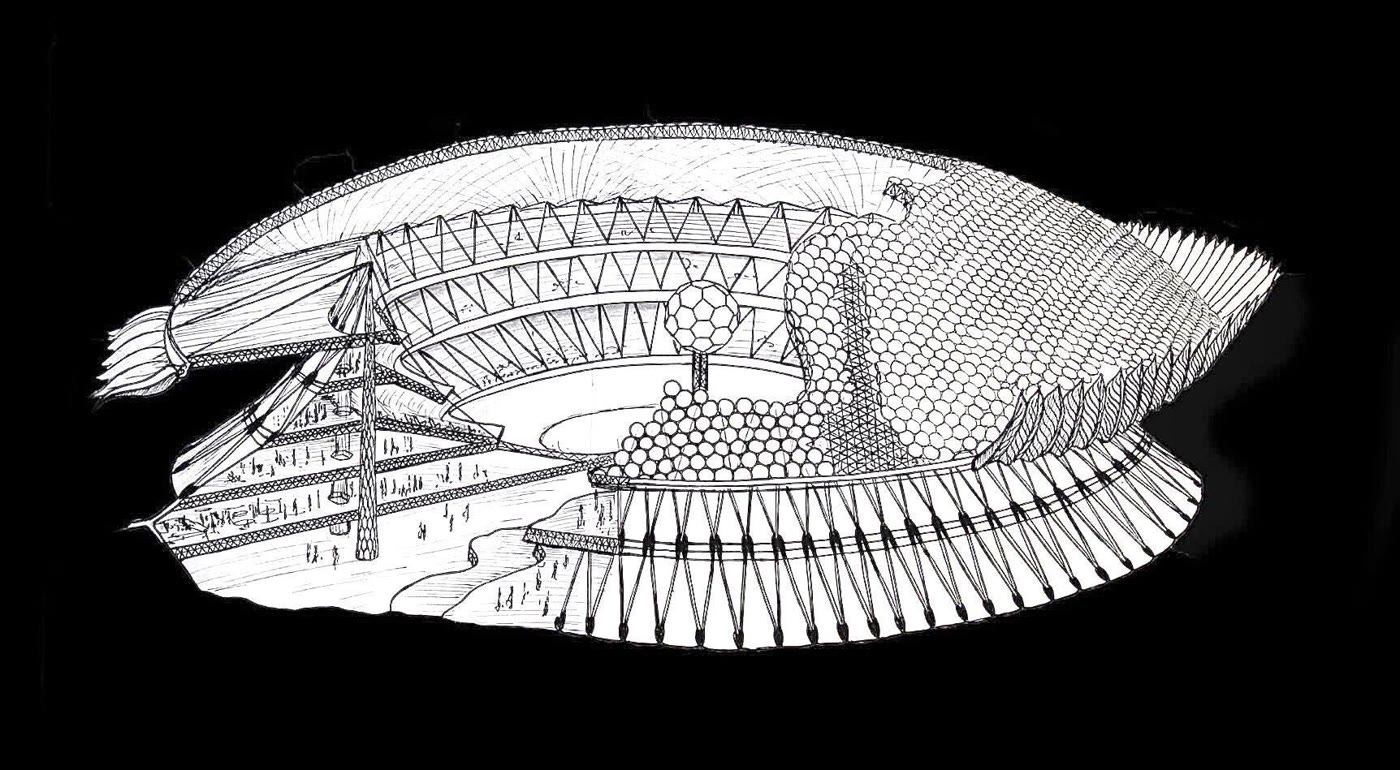
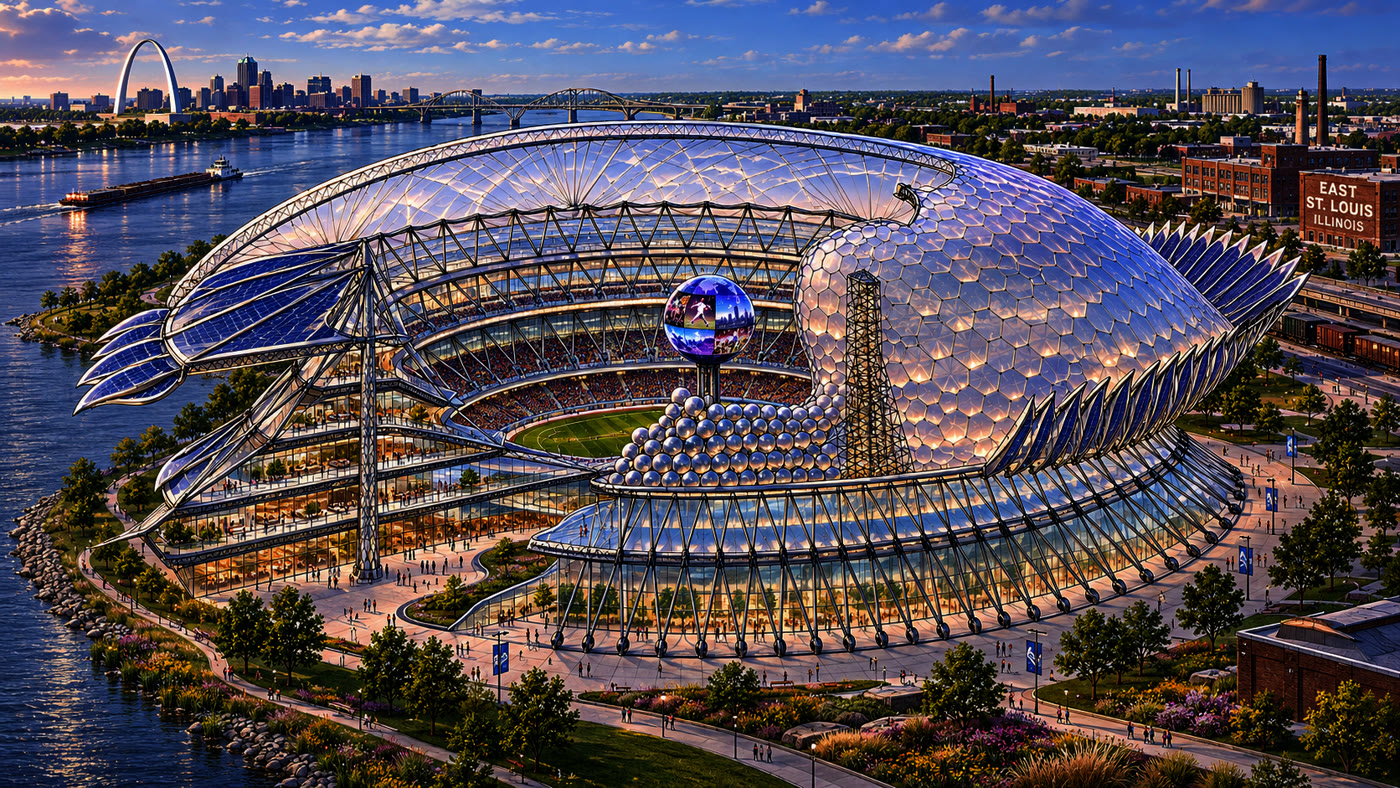
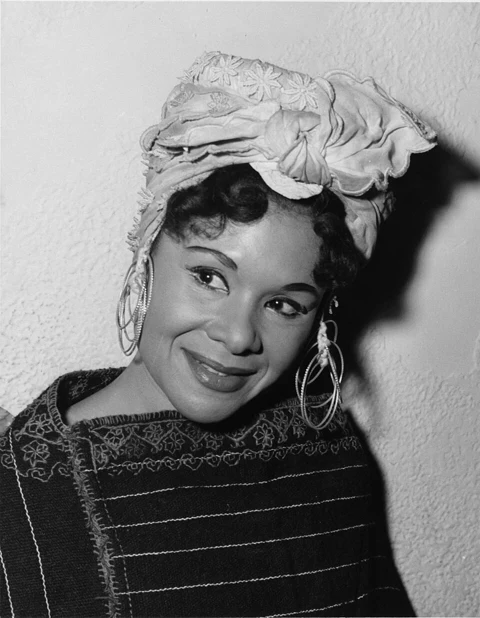
Developed in 1991–92, this stadium concept was commissioned by Illinois state Representative Wyvetter H. Younge and dancer and choreographer Katherine Dunham, according to Acerra’s account. It reimagined Buckminster Fuller’s Old Man River City proposal at the scale of a stadium complex.
Historical context: Representative Younge’s legislative record ↗ · Katherine Dunham’s biography ↗. Project history supplied by Michael Acerra.
Acerra’s design question was how to use tension to reduce reliance on heavy compression members. The proposal imagined decks, bleachers and a cellular pillow dome carried by cables above a concrete foundation, with gas-filled cells in the dome and solar-panel petals that would track the sun.
In 1991, Representative Younge invited me to East St. Louis. We had met the previous summer at a Buckminster Fuller Institute conference at UCLA and talked about how engineering, first principles and technology might help the city. We were both dreamers.
She asked me to sketch a smaller version of Fuller’s Old Man River City as a stadium complex. My thought experiment was to optimize the design for materials in tension. In the proposal, only the foundation was concrete; cables carried the decks, bleachers and dome. Gas-filled bladders occupied the dome’s hexagonal and pentagonal openings, while flower-like solar panels would follow the sun.
I recall Representative Younge presenting the plan to Michael Eisner, then Disney’s CEO, as part of a future-themed park proposal for East St. Louis. Disney politely declined. For a twenty-six-year-old, it was an amazing opportunity—even if it went nowhere.
Michael Acerra · Personal account, edited for the website. The stadium was not built; the later visualization is not a photograph of a completed project.
Follow the cables in the drawing. Which elements would carry tension, and where would compression and anchoring still matter?
Syllabus · Proposed investigations
Our investigations connect architecture, engineering, physics, design, biology and materials science. We invite faculty to build on this syllabus with us, shaping focused pilots around their courses, students and institutional goals.
01
Define a performance goal, identify constraints, and reason from forces and relationships toward a structure that does not yet exist.
Design method
02
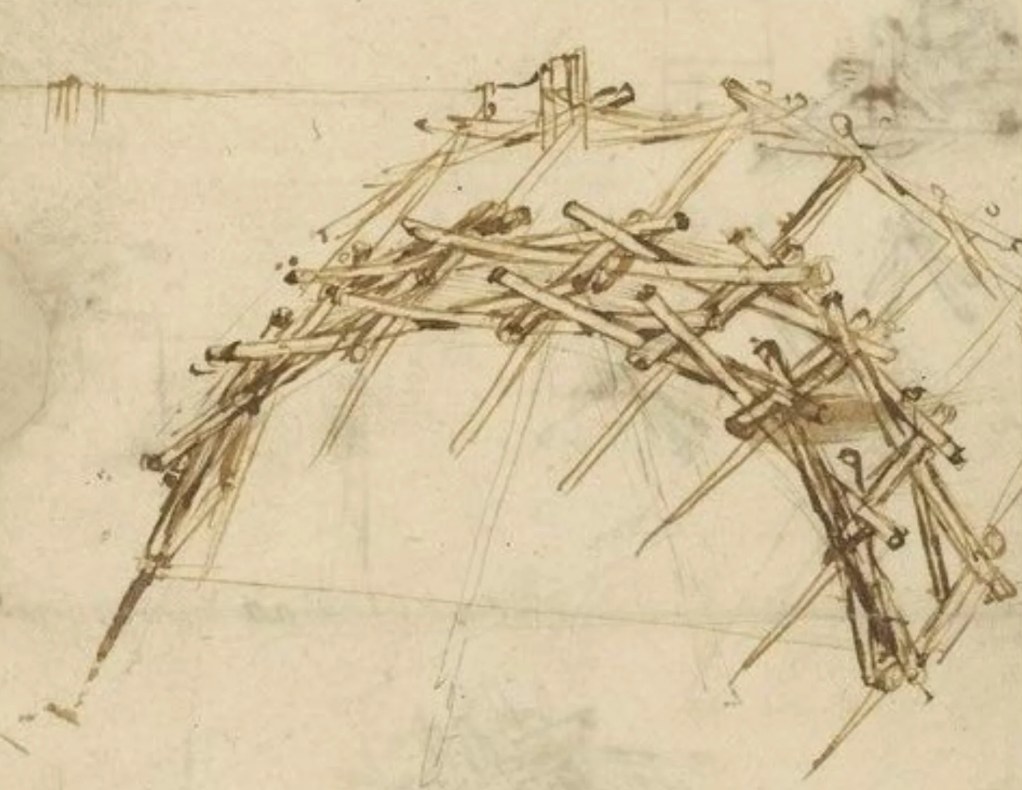
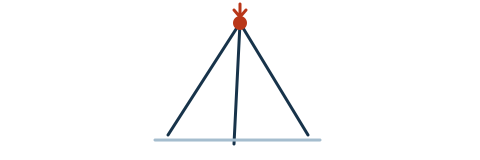
Investigate stability, support and balance. How did a simple arrangement of members enlarge the range of human action?
Historical case study
03
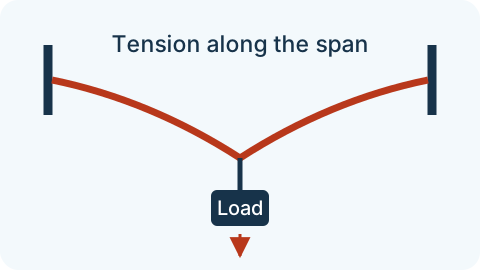
Explore how flexible connections carry tension, bind separate elements, span distance and create new structural possibilities.
Tension · connection
04
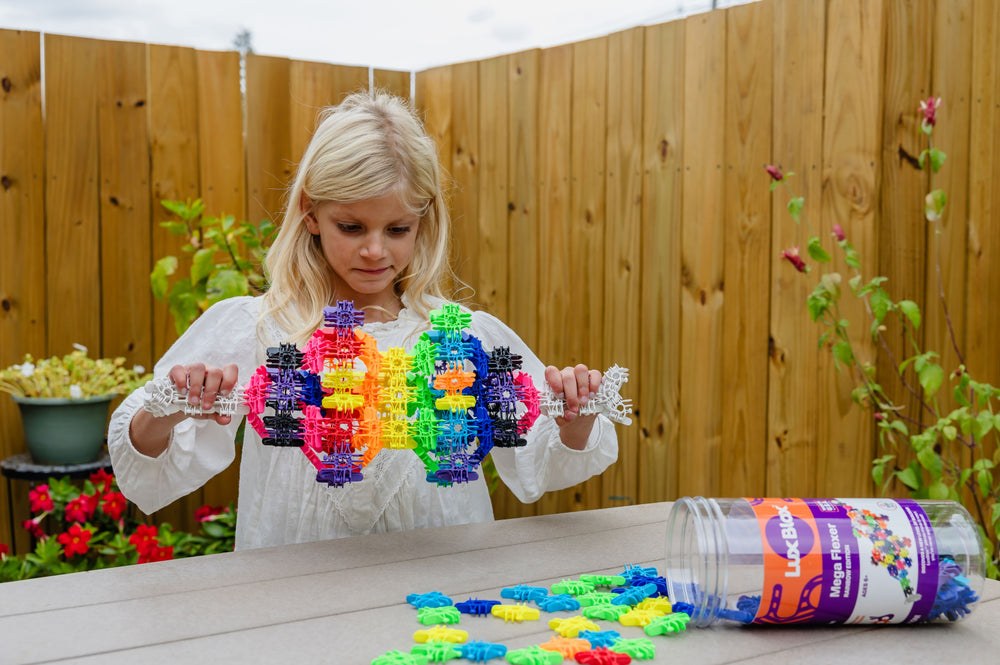
Compare flat, folded and corrugated forms. Test how geometry changes stiffness and resistance to bending under different loads.
Form · material
05
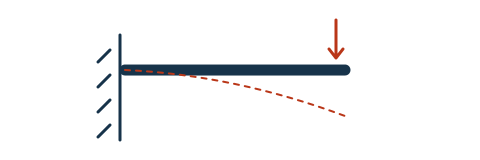
Study balance, leverage and load paths in structures that extend beyond their supports. Predict where failure begins.
Statics · load paths
06
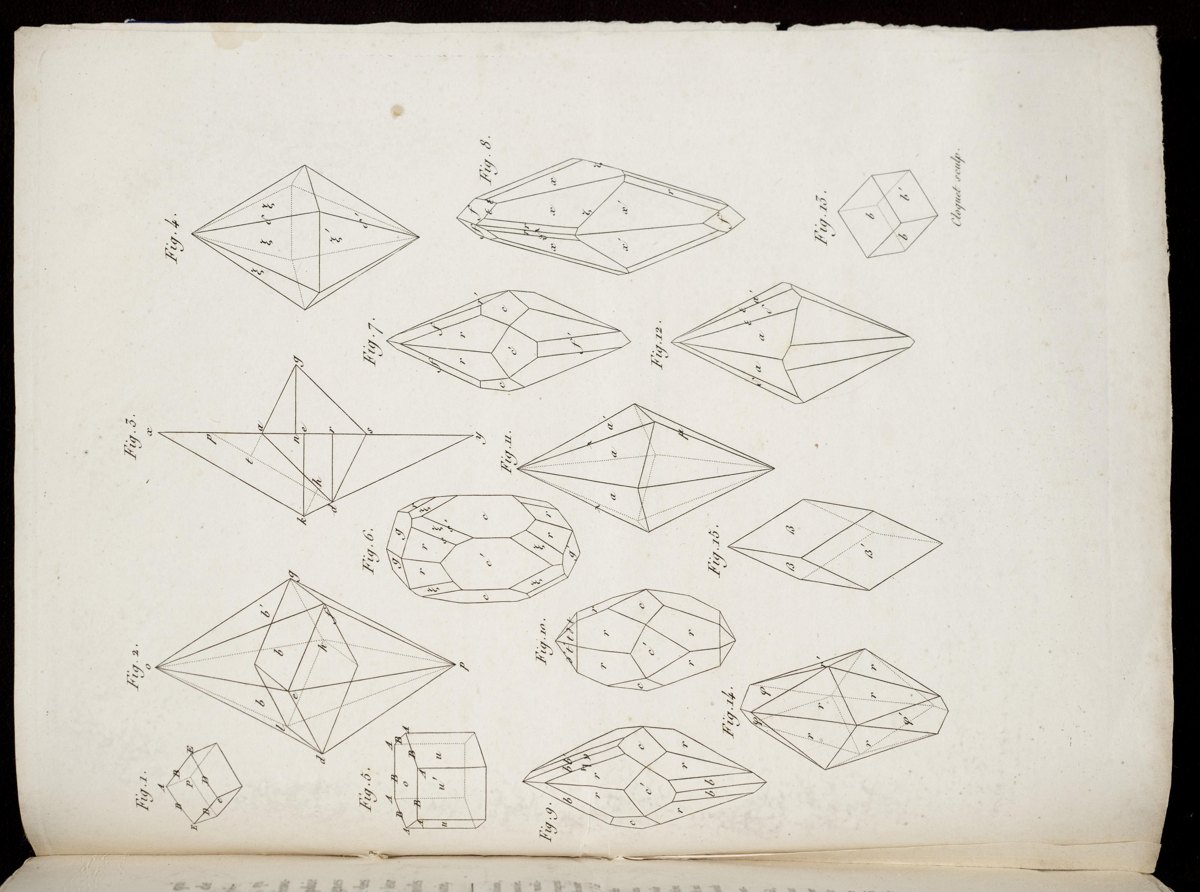
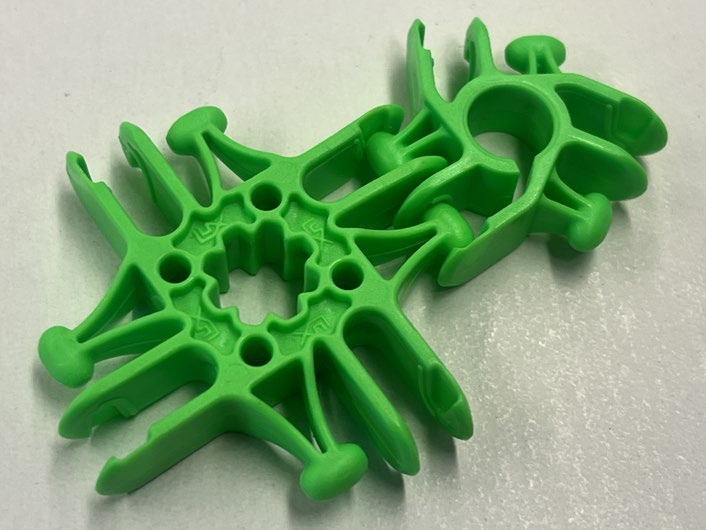
Explore minimum inventory and maximum diversity: how a limited family of elements can create many forms and functions.
Optimization · systems
07
Look at how local rules and repeated patterns organize structures across scales. Ask what the repetition makes possible.
Geometry · materials
08
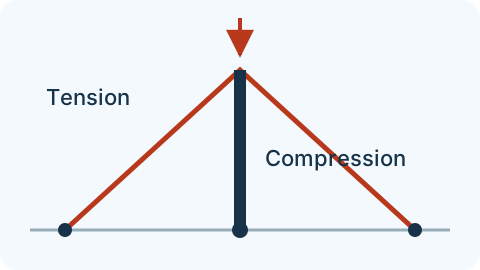
Build and test systems where tension helps stabilize elements under compression, including tensegrity and related structures.
Tension · compression
09
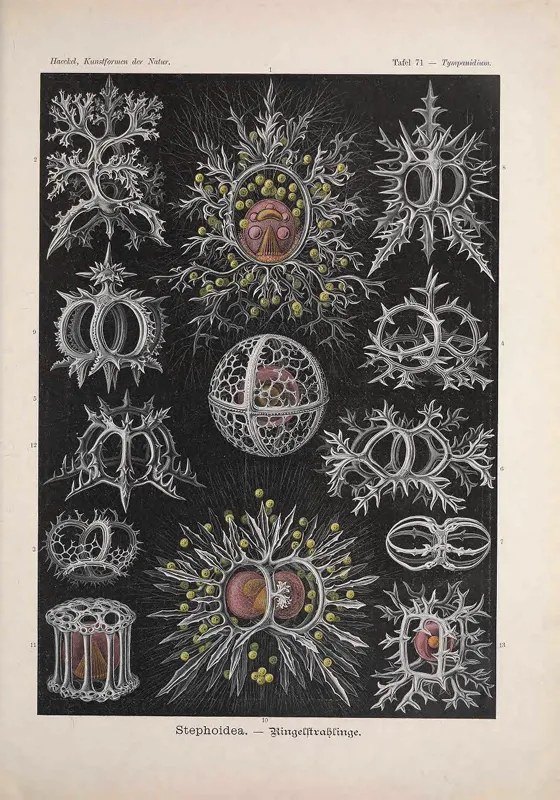
Study what a living structure accomplishes, abstract its strategy, then test how a design can use its surroundings to reach a useful outcome.
Nature · design
10
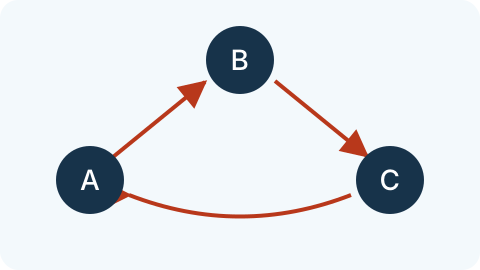
Examine Stuart Kauffman’s idea of collectively autocatalytic networks as a case in how interactions among parts can generate organization.
Emergence · systems
11
Compare structural optimization with the history of Moore’s law: how engineering can increase capability while reducing cost per function.
Technology · economics
12
Choose a real constraint, identify what the system can leverage, propose a structural strategy, build a model and test the prediction.
Anticipatory design
How we investigate
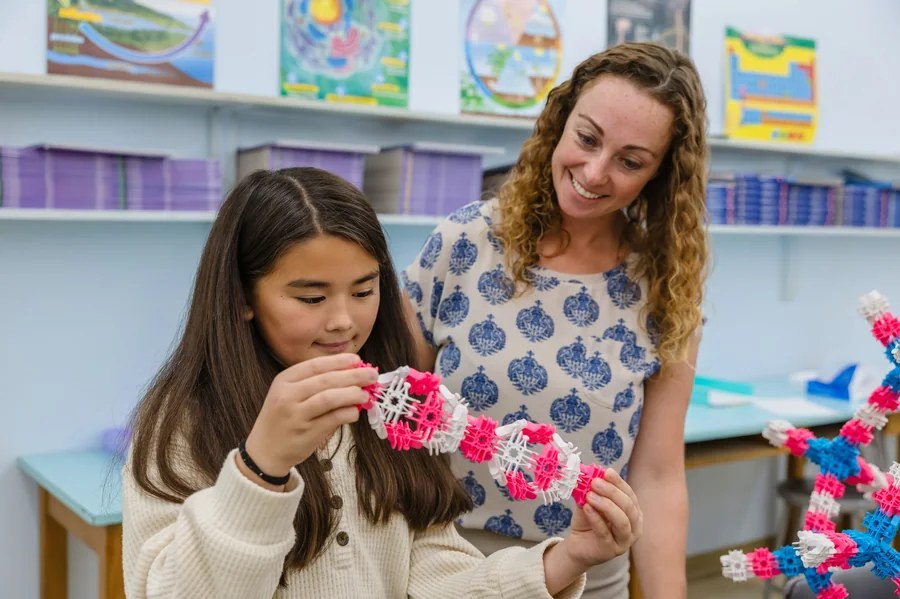
The university-level work pairs structural intuition with disciplined evidence. Models are used to reveal relationships; measurements and limitations make the claims precise.
Faculty · Researchers · Designers
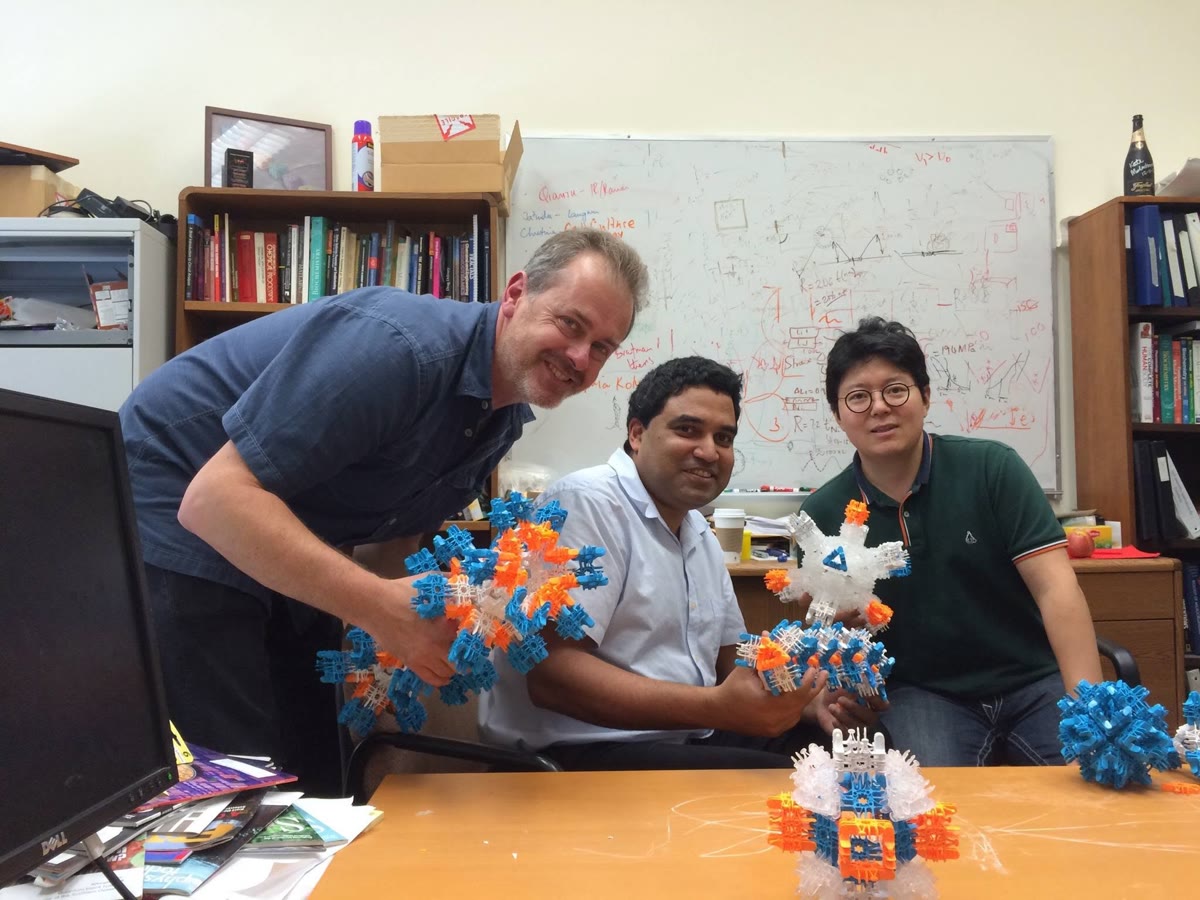
Let us know if your college or university is interested in learning more about our offerings—and how Structure Smart can build on your school’s mission.
We are seeking pilot partners and interested collaborators. Faculty, departments, researchers and program leaders are invited to help shape investigations that connect physical modeling with the work already happening at their institutions.
Each pilot starts with a written proposal agreed with the participating institution.
An illustrative pilot: one course, approximately 30 students, one semester, with Lux Blox kits on loan and separately quoted planning and support. This example shows a possible scale; kit quantities, modules, loan and return arrangements, schedule and total cost are confirmed in the written proposal.
An agreed selection of Lux Blox kits and teaching modules, plus a defined amount of planning, orientation and support from Michael Acerra.
A faculty lead, an agreed course or group, a schedule for using the materials, and a defined feedback process. Any formal research activity is scoped separately with the institution.
The proposal specifies duration, quantities, staff time, shipping and fees, including who pays each cost and whether materials are purchased or loaned. Both parties agree to these terms before work begins.
Prefer to contact us directly? 309-297-4430 · Email customerservice@luxblox.com.
Image notes: Lux Blox photographs show existing models and learning activities that inform our approach. Historical plates are credited beside each image. Michael Acerra’s artwork and architectural concepts are credited in the studio section. Teaching diagrams are conceptual. Motion studies show prescribed digital movement; they do not establish physical fit, load performance or a chemical reaction.